best football stadiums in the world
Football is more than simply a sport. Billions of individuals from various cultures, cultures, and languages are united by this global desire. Even while the performers often take center stage, the stadiums used for big events are just as important. These huge buildings serve as venues for sports as well as symbols of history, pride, tradition, and athletic excellence.
From thrilling Champions League evenings to historic World Cup finals, football stadiums have hosted some of the greatest events in sports history. Thousands of spectators, stunning architecture, and the emotional bond between teams and supporters make some stadiums really exceptional.
Sportstitanofficial examines some of the best football stadiums in the globe, examining their unique characteristics, background, ambiance, and motivations for drawing millions of football fans annually.
READ MORE: https://sportstitanofficial.com/australian-rules-football-guide/
https://x.com/Redeem_44/status/2067297340474392578?s=20
What Makes a Football Stadium Great?
One aspect of a fantastic football stadium is its seating capacity.
Numerous variables influence a stadium’s reputation:
- Historical significance
- A sense of affection
- Building design
- New amenities
- Games that will never be forgotten
- Accessibility and comfort
- Cultural significance
Some stadiums become famous because of their size, while others become legendary because of the amazing things that happened there.
1. Camp Nou – Barcelona, Spain
Camp Nou is one of the most well-known football stadiums in the world. Some of the greatest football players have played there, and FC Barcelona has called it home for decades.
With more than 90,000 seats, Camp Nou is one of the largest football venues in Europe. Football greats have participated in several memorable games here.
Why It Stands Out
Many seats
- The rich history of football
- Many famous athletes’ homes
- Fantastic mood on matchday
For many football fans, seeing Camp Nou is a dream come true.
2. Wembley Stadium – London, England
Wembley Stadium is commonly known to be the home of English football.
The stadium’s famous arch is one of the most known icons in world sports. Since its construction, Wembley has hosted important domestic matches, international games, and well-known football events.
Key Highlights
- The FA Cup finals are held in a venue with a capacity of about 90,000.
- Where important international games are held
- Modern buildings and amenities
During the big finals, the atmosphere at Wembley is quite amazing.
3. Santiago Bernabéu – Madrid, Spain
Real Madrid’s Santiago Bernabéu has always been known for playing outstanding football.
International games, Champions League finals, and some of the most well-known athletic events in history have all taken place in the stadium.
Why Fans Love It
- Football’s long history in Europe
- The site of one of the world’s most successful clubs
- Improved comforts
- Football-related moments in history
The stadium maintains its historic appeal while experiencing constant change.
4. Allianz Arena – Munich, Germany
The Allianz Arena is renowned for its beautiful look, which varies in color according to the event.
As soon as it opened in 2005, it rose to popularity as one of the most famous stadiums in modern sport.
Notable Features
- A unique outdoor light
- The home of Bayern Munich
- Fantastic fan experience with modern comforts
Because of its unique architecture, it is one of the most incredible stadiums in the world.
5. Old Trafford – Manchester, England
Known as “The Theatre of Dreams,” Old Trafford is one of the most well-known football venues.
As Manchester United’s home, it has hosted a number of memorable games and championship celebrations.
Why It Remains Special
- strong football background
- The mood of the devoted fans in the past had an important part in football’s history.
Old Trafford continues to be one of the world’s most popular football stadiums.
6. Maracanã Stadium – Rio de Janeiro, Brazil
Few stadiums have the historical value of the Maracanã.
This legendary Brazilian location has hosted World Cup finals and some of the most iconic football moments.
Key Attractions
- A famous World Cup site
- An example of Brazilian football
- Strong cultural significance
- A long history in athletics
Football fans view the Maracanã as an illustration of South American football.
7. Signal Iduna Park – Dortmund, Germany
Signal Iduna Park is known for having one of the biggest football fan bases in the world.
Many people think that no other sport can equal the feeling that the stadium’s “Yellow Wall” creates.
Why It Is Unique
- Viewers’ positive attitude
- One of the largest stands in Europe with devoted and ardent supporters
- Games that are consistently sold out
The passion of the Dortmund supporters makes every game more unforgettable.
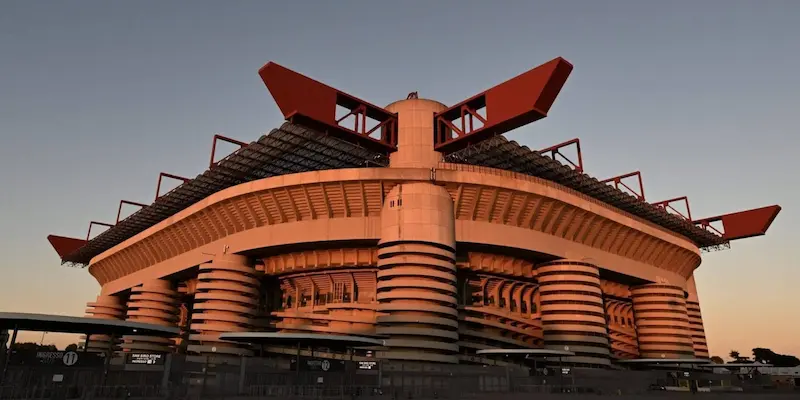
8. San Siro – Milan, Italy
San Siro is one of Italy’s most well-known sporting grounds.
AC Milan and Inter Milan, two of Italy’s biggest clubs, share the stadium, which has experienced decades of football history.
Highlights
- A unique building style
- European contests in the past
- strong connections to the renowned Italian football culture
Its unique look makes it easy to tell apart.
The Role of Stadium Atmosphere
Many football experts believe that one of the most important aspects of a stadium is its atmosphere.
Teams, players, and spectators can all be inspired by a boisterous and energetic crowd. Stadiums like Wembley, Old Trafford, and Signal Iduna Park are renowned for their incredible crowd support in addition to their first-rate amenities.
Fans’ views of a team’s stadium often influence the club’s identity.
How Modern Stadiums Are Changing Football
These days, football stadiums are becoming safer, smarter, and more environmentally friendly.
In contemporary settings, the following are becoming increasingly typical:
- advanced safety measures
- Enhanced fan comfort
- Electronic ticketing
- High-definition screens
- Eco-friendly technologies
- Enhanced accessibility
These enhancements result in better experiences while maintaining the traditions that make football special.
Why Football Stadiums Matter Beyond Sports
Football stadiums are often important cultural sites.
They host concerts, neighborhood parties, charity activities, and international contests. By attracting visitors from all over the world, stadium tourism improves the financial status of many cities.
For towns nearby, a football stadium may be a source of pride and identity.
Conclusion
The greatest football stadiums in the world are much more than just buildings made of concrete with seats. They are places where valuable memories are built, history is created, and dreams come true.
Whether it’s the scale of Wembley, the legacy of Old Trafford, the fervor of Signal Iduna Park, or the history of the Maracanã, every stadium has something unique to offer football fans.
As football grows, these iconic sites will remain at the heart of the sport’s culture, fostering interpersonal relationships and laying the groundwork for more extraordinary occasions.










1 thought on “Best Football Stadiums in the World: Iconic Arenas Every Football Fan Should Know”