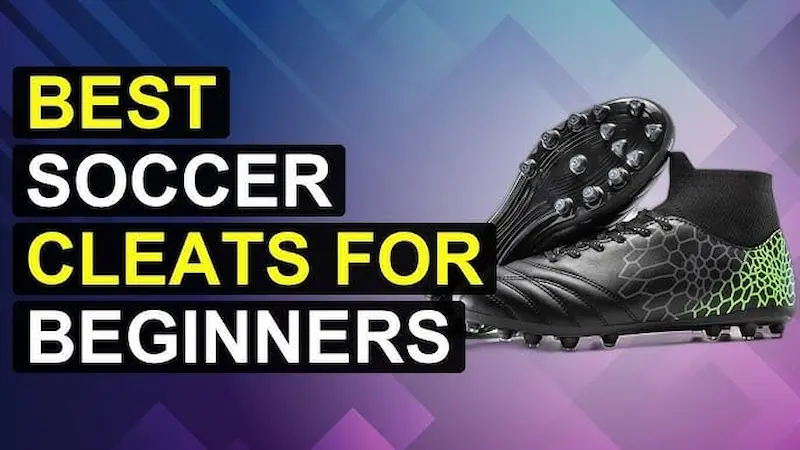
Starting your football journey is an exciting experience. Whether you are joining a local football club, playing with friends, or preparing for your first competitive season, having the right equipment can make a significant difference. Among all the essentials, you should pay special attention to your football cleats (boots), as they directly influence your movement, balance, comfort, and grip on the pitch.
However, choosing your first pair is not always easy. Walk into a sports store or browse an online shop, and you will find hundreds of options from different brands. Some are designed for speed, others focus on ball control, and many come with technical features that new players may not understand.
The good news is that you do not need professional-level equipment to enjoy football or develop your skills. What matters most is finding footwear that fits your feet properly and matches the surface where you play.
This guide to the Best Football Cleats for Beginners explains everything you should know before buying your first pair. From stud types and materials to sizing, comfort, and budget, you will learn how to make a confident decision without spending more than necessary.
READ MORE: https://sportstitanofficial.com/top-3-fastest-football-players-of-all-time/
https://x.com/south_ov_France/status/2072768194641576286?s=20
Why Choosing the Right Football Cleats Matters
Football involves constant movement. Players run, stop suddenly, change direction, turn, jump, and kick the ball throughout a match. Regular running shoes are not designed specifically for these movements on a football pitch.
Football cleats have specially designed outsoles that provide traction on different playing surfaces. Their construction also helps create a closer connection between your feet and the ground.
Here are some important benefits of wearing suitable football footwear.
Better grip: Properly designed studs help your feet maintain contact with the playing surface while running and changing direction.
Improved stability: A secure-fitting pair helps reduce unnecessary foot movement inside the shoe.
Greater comfort: Football-specific footwear is designed around the movements involved in the game.
Better ball control: The upper material provides a playing surface for passing, receiving, and shooting.
More confidence: Comfortable footwear allows beginners to concentrate on developing their technique instead of constantly adjusting their shoes.
Remember that football cleats cannot automatically improve your skills or prevent every injury. Training, physical preparation, and appropriate footwear all contribute to a better playing experience.
Different Types of Football Cleats Explained
Before purchasing your first pair, understand that football cleats are available in several categories. The biggest difference is the outsole, particularly the shape, length, and arrangement of the studs.
Choosing the wrong outsole for your playing surface can affect comfort and traction.
1. Firm Ground (FG) Cleats
Firm-ground cleats are primarily designed for natural grass pitches that are relatively dry or hard.
They usually feature molded plastic studs arranged across the sole. These studs help players maintain traction while running, accelerating, and changing direction.
FG cleats are a common option for outdoor football players who regularly play on natural grass.
Best suited for:
- Natural grass pitches.
- Dry or moderately firm playing conditions.
- Regular outdoor training and matches.
If you usually play on natural grass, FG footwear can be a practical starting point.
2. Artificial Ground (AG) Cleats
Artificial ground cleats are designed specifically for synthetic football surfaces.
Artificial pitches have different characteristics from natural grass. Their surface construction requires an outsole that distributes pressure appropriately and provides suitable traction.
AG cleats generally feature shorter, more numerous studs than traditional FG designs.
Best suited for:
- Artificial grass pitches.
- Synthetic football facilities.
- Regular training on suitable artificial surfaces.
If your local football ground uses artificial grass, check whether your footwear is approved for that particular surface.
3. Multi-Ground (MG) Cleats
Multi-ground cleats are designed to offer versatility across certain natural and artificial playing surfaces.
They typically feature a stud configuration intended to work across more than one type of pitch.
For beginners who practice at different grounds, an MG model may be worth considering.
However, multi-ground does not mean every surface is suitable. Always check the manufacturer’s surface recommendations.
4. Soft Ground (SG) Cleats
Soft Ground cleats are designed for wet, muddy, and softer natural grass pitches.
They generally have longer studs that penetrate deeper into the ground. Some models use removable metal or metal-tipped studs.
These designs are not appropriate for every playing condition.
Beginners should avoid buying SG footwear unless they regularly play on genuinely soft pitches and their competition permits the stud configuration.
5. Turf (TF) Football Shoes
Turf football shoes are different from traditional studded cleats.
They usually have many small rubber studs distributed across the outsole. This design provides traction on short artificial turf surfaces.
They are particularly useful for recreational football and training on suitable synthetic turf.
6. Indoor Football Shoes (IC)
Indoor football shoes have flat rubber outsoles rather than traditional studs.
They are designed for smooth indoor courts, where players need grip without damaging the playing surface.
If you play indoor football or futsal, these shoes are generally more appropriate than outdoor cleats.
What Features Should Beginners Look For?
When comparing different models, it is easy to become distracted by colours, famous players, and advertising claims.
Instead, concentrate on the features that directly affect your playing experience.
1. Comfortable Fit
Fit should be your first priority.
Football footwear should feel secure around the heel and middle of your foot without squeezing your toes. Your foot should not slide excessively inside the shoe when you accelerate or change direction.
A boot that feels uncomfortable in the store is unlikely to become a good choice simply because it looks attractive.
2. Lightweight Construction
Lightweight footwear can feel comfortable during repeated running and movement.
However, beginners should not assume that the lightest model is automatically the best option.
Some extremely lightweight designs use thinner materials and a more minimal construction. A slightly more substantial pair may provide the comfort and durability that a new player needs.
Choose a balanced design rather than focusing only on weight.
3. Quality Upper Material
The upper is the part of the shoe that covers the top and sides of your foot.
Different materials offer different advantages.
Synthetic material
Synthetic uppers are common in affordable football footwear. They generally maintain their original shape and are available in many price ranges.
They can be a sensible choice for beginners who want straightforward maintenance and everyday durability.
Leather
Leather footwear is often appreciated for its soft feel and ability to adapt to the shape of the foot.
However, leather can require additional care and may absorb moisture depending on its treatment.
Knitted material
Knitted uppers offer a flexible, close-fitting sensation.
They can feel lightweight, although the amount of structure and support varies between models.
For your first pair, comfort and fit should matter more than the material’s marketing name.
4. Suitable Stud Configuration
Studs are responsible for creating traction between the shoe and the playing surface.
Some cleats use conical studs, while others feature bladed or mixed configurations.
Conical studs have rounded shapes and are designed to provide multidirectional traction.
Bladed studs have elongated shapes and are designed around particular movement and traction requirements.
There is no single stud pattern that works perfectly for everyone. The playing surface and manufacturer’s recommendations should guide your decision.
5. Secure Heel Support
Your heel should remain comfortably in place during movement.
Excessive heel slipping can cause friction and discomfort, especially during longer training sessions.
Try walking, jogging, and making gentle changes of direction when testing a new pair.
The footwear should feel secure without creating painful pressure.
Best Football Cleats for Beginners: What Types Should You Consider?
The Best Football Cleats for Beginners are not necessarily the most expensive or technologically advanced models.
A good first pair should offer reliable comfort, an appropriate outsole, reasonable durability, and a secure fit.
Here are some types worth considering when exploring the market.
Entry-Level Club Football Cleats
Club-level models are generally positioned as affordable options for recreational players and beginners.
They usually offer simpler materials and construction than professional or elite versions.
These models can be suitable for:
- Players learning basic football techniques.
- Recreational weekend matches.
- School and college football.
- Beginners who train occasionally.
They are often a sensible place to start if you are still discovering your preferred playing style.
Academy-Level Football Cleats
Academy-level footwear usually offers additional design and material features compared with entry-level versions.
Depending on the brand and model, you may find improved upper construction, different soleplate designs, and more refined fit options.
These models can be worth considering if you practise regularly and want footwear that will remain useful as your experience increases.
Comfort-Focused Football Cleats
Some models are designed around a softer upper, a more accommodating shape, and a comfortable overall feel.
They may appeal to beginners who prioritise passing, receiving, and general training over specialised speed features.
Players with wider feet should pay particular attention to the shape of the footwear rather than assuming that every model in their usual size will fit comfortably.
Popular Football Brands Beginners Can Explore
Several established sports brands offer football footwear across different budgets and playing levels.
The best approach is to compare their entry-level and mid-range models rather than automatically purchasing their most expensive collections.
Nike
Nike offers several football footwear families, including Mercurial and Tiempo.
Mercurial models are commonly associated with speed-focused designs, while Tiempo models have traditionally emphasised comfort and touch.
Beginners should compare the available versions carefully because materials and construction vary between price levels.
Adidas
Adidas offers well-known football footwear collections such as Predator, Copa, and F50.
Predator models focus on control-oriented features, Copa models are associated with comfort and touch, and F50 models emphasise lightweight speed.
The brand offers different versions of these collections, making it possible to explore options at different budgets.
Puma
Puma produces football footwear across several collections, including Future and Ultra.
Future models are associated with adaptable fit and movement, while Ultra models focus on speed-oriented construction.
Beginners can explore the lower-priced versions without paying for premium features they may not need.
New Balance
New Balance is another brand worth considering, particularly for players who want to explore different fit shapes.
Its football footwear range includes models designed around speed and control.
As with every brand, try the actual model before purchasing because fit can vary between collections.
How Much Should Beginners Spend on Their First Pair?
Your first football cleats do not need to consume a large part of your equipment budget.
The right spending amount depends on how frequently you play, your playing surface, and how quickly you expect to develop your skills.
Here is a simple way to think about your budget.
Budget category: Affordable entry-level models are suitable for casual players and beginners who want basic football footwear.
Mid-range category: These models may offer a better balance of material quality, comfort, and construction for players who train regularly.
Premium category: Expensive models often include advanced materials and specialised performance features. They are generally unnecessary for someone who is just starting.
Rather than following a particular price target, compare the construction, outsole, warranty, and fit of the available options.
Spending more money does not guarantee a better experience if the shoe does not match your feet or playing surface.
How to Choose the Correct Football Cleat Size
Finding the correct size is one of the most important parts of buying your first pair.
Football footwear should fit more closely than many everyday trainers, but it should never cause pain or squeeze your toes.
Follow these steps when trying on a new pair.
Step 1: Measure your feet
Measure both feet while standing, preferably later in the day. Feet can vary slightly in size, so use the larger foot as your reference.
Step 2: Wear football socks
Try the shoes with the socks you normally wear during training or matches.
Step 3: Check the toe area
Your toes should have enough room to move naturally without sliding excessively inside the footwear.
Step 4: Examine the heel
Walk around and check whether your heel stays securely in place.
Step 5: Test movement
Try gentle jogging, stopping, and turning. Check for uncomfortable pressure around the toes, sides, and arch.
Step 6: Compare different brands
Do not assume your regular trainer size will be identical across every football footwear brand.
If possible, try different models before making a final decision.
Never purchase an uncomfortable pair expecting that it will eventually stretch enough to become suitable.
Common Mistakes Beginners Should Avoid
Many new players make similar mistakes when buying their first football cleats.
Avoiding these problems can save money and make your early football experience more enjoyable.
Buying Based Only on Appearance
Colourful designs and professional-player collections can look impressive.
However, appearance should never be more important than fit, comfort, and outsole suitability.
Choosing the Wrong Stud Type
A pair designed for natural grass may not be appropriate for artificial turf.
Always identify your playing surface before purchasing footwear.
Spending Too Much on Premium Models
Professional players may benefit from specialised performance features because of their experience and training requirements.
Beginners usually gain more value from comfortable, reliable footwear.
Buying a Size That Is Too Small
Some players believe football cleats must feel extremely tight.
This is incorrect. Excessive pressure can lead to discomfort, blisters, and difficulty moving naturally.
Ignoring Foot Width
Length is only one part of sizing.
A shoe may be the correct length but still feel too narrow around the forefoot.
Look for a shape that matches your actual foot.
Wearing New Cleats for a Full Match Immediately
Even comfortable footwear may need a gradual adjustment period.
Start with shorter training sessions and increase wearing time as the shoes feel comfortable.
How to Maintain Your Football Cleats
Taking care of your footwear can help extend its useful life.
Football cleats regularly come into contact with grass, mud, dust, and moisture. Cleaning them after use prevents dirt from building up and helps maintain their condition.
Follow these basic maintenance tips:
- Remove loose mud and dirt after each match.
- Use a soft brush to clean the outsole.
- Wipe the upper with a suitable damp cloth.
- Allow footwear to dry naturally in a ventilated area.
- Avoid placing wet cleats directly near heaters or intense sunlight.
- Remove insoles when appropriate to help them dry.
- Inspect studs regularly for excessive wear or damage.
- Store your footwear in a dry place.
If your cleats become soaked, remove excess moisture and allow them to dry naturally. Stuffing them with newspaper can help absorb some moisture.
Good maintenance is particularly important if you train several times a week.
Are Expensive Football Cleats Better for Beginners?
Not necessarily.
Premium football footwear often includes advanced materials, specialised soleplates, and lighter construction.
These features can appeal to experienced players who understand their preferences and playing requirements.
However, beginners are still developing their technique, movement, and confidence. They may not benefit significantly from every advanced feature.
A well-fitting entry-level or mid-range pair can be more practical than an expensive professional model.
Think about your actual requirements instead of purchasing something simply because a professional player wears it.
What Is the Best Football Cleat Choice for Different Playing Styles?
Your position can influence the type of footwear you prefer, although beginners do not need to purchase position-specific models immediately.
Here are some general considerations.
Forwards and strikers: Players who enjoy attacking and making quick runs may prefer lightweight footwear that feels comfortable during acceleration.
Midfielders: Midfielders often cover significant distances and make frequent changes of direction. A balanced, comfortable design is a practical option.
Defenders: Defenders may appreciate a stable-feeling outsole and a durable upper, particularly when training regularly.
Goalkeepers: Goalkeepers need reliable traction for lateral movement, jumping, and quick changes of direction. Their footwear should match the surface they play on.
Your playing position is only one consideration. Comfort and surface compatibility remain more important when selecting your first pair.
Frequently Asked Questions (FAQs)
1. What are the best football cleats for beginners?
The most suitable options are comfortable entry-level or mid-range football cleats with the correct outsole for your playing surface. Nike, Adidas, Puma, and New Balance offer different collections worth exploring.
2. Should beginners buy expensive football cleats?
No. Beginners generally do not need premium footwear. A comfortable, durable pair that matches their playing surface is usually sufficient.
3. Are FG cleats suitable for artificial grass?
Traditional FG cleats are designed primarily for natural grass. Some FG/AG or multi-ground models are approved for certain artificial surfaces, but you should follow the manufacturer’s recommendations.
4. How tight should football cleats feel?
They should feel snug and secure without squeezing your toes or causing painful pressure. Your heel should remain in place while walking and running.
5. Which football cleat material is best for beginners?
Synthetic materials are often practical because they are available in affordable options and generally maintain their shape. Leather and knitted materials are alternatives depending on personal comfort and fit.
6. Can beginners use professional football cleats?
Yes, provided the footwear is suitable for their feet, playing surface, and level of comfort. However, expensive professional models are not essential for learning the game.
7. How long do football cleats last?
Their lifespan depends on usage, construction, playing surface, and maintenance. Players who train frequently may need replacements sooner than those who play occasionally.
8. Are turf shoes and football cleats the same?
No. Traditional football cleats use larger studs for specific outdoor surfaces, while turf shoes have many small rubber studs designed for short artificial turf.
9. Should I buy football cleats one size bigger?
Not automatically. Choose the size that provides a secure fit with sufficient toe space. Sizing differs between brands and models, so always try them on when possible.
10. Can I use running shoes for football?
Running shoes are not designed for the traction and multidirectional movements involved in football. Appropriate football footwear is a better choice for regular outdoor play.
Final Thoughts
Choosing your first football footwear should be an enjoyable experience rather than a confusing shopping decision.
You do not need the latest professional collection or the most expensive design to begin playing confidently. Focus on the basics: a comfortable fit, suitable studs, durable construction, and the correct outsole for your playing surface.
The Best Football Cleats for Beginners are ultimately the ones that match your feet, playing conditions, and budget.
Take time to compare different models, try them on with your football socks, and pay attention to how they feel when you move. A sensible first purchase can support your training, help you enjoy the game, and remain useful as you continue developing your football skills.
Most importantly, remember that great football players are built through practice, patience, and dedication—not expensive footwear alone.










1 thought on “Best Football Cleats for Beginners: The Complete Guide to Choosing Your First Pair”